

The normal profit point is where a firm’s total revenue covers all its costs, including the opportunity cost of the resources used. It’s a crucial benchmark for determining the minimum level of profitability required to sustain business operations. break-even point economics definition There is also a category of costs that falls in between, known as semi-variable costs (also known as semi-fixed costs or mixed costs). These are costs composed of a mixture of both fixed and variable components.
Key Formulas and Examples
Conducting this analysis will help you find different ways to reach the profit zone with minimal risk. Non-profit organizations can benefit from knowing the breakeven point of their projects or programs as it can help them evaluate their financial sustainability. Managers can benefit from knowing the breakeven point of their business as it can help them identify areas of inefficiency and waste. By analyzing the contribution margin and the fixed and variable costs, managers can optimize the production process and reduce expenses, thereby improving the business’s overall financial performance. Variable costs are a business’s expenses based on how much it produces or sells. Examples of variable costs include raw materials, direct labor, and packaging.
- This can be achieved by negotiating better prices with suppliers, improving production processes, or finding alternative sources of raw materials.
- It helps new businesses avoid overlooking expenses when you’re starting the company and limits any unpleasant surprises in the future.
- In business, the break-even point is when a company’s total earnings equal its total expenses.
- Every business faces a critical threshold in its operations—the point at which sales revenue precisely covers all expenses.
- It is a guide for calculating the margin of safety of the production process, based on revenue and cost.
- While accounting profit might show a positive number, economic profit considers the opportunity cost of using resources.
- In the manufacturing industry, the breakeven point is critical because it determines the number of units that must be sold to cover the fixed and variable production costs.
What is Break-Even Analysis?
Break-even Point (BPE) in accounting, economics, finance, and real estate is the point at which total cost and total revenue are equal. In other words, you “break even”, which means that there is no net loss or gain. All costs that must be paid have been paid, and there is neither a profit earned nor a loss incurred.
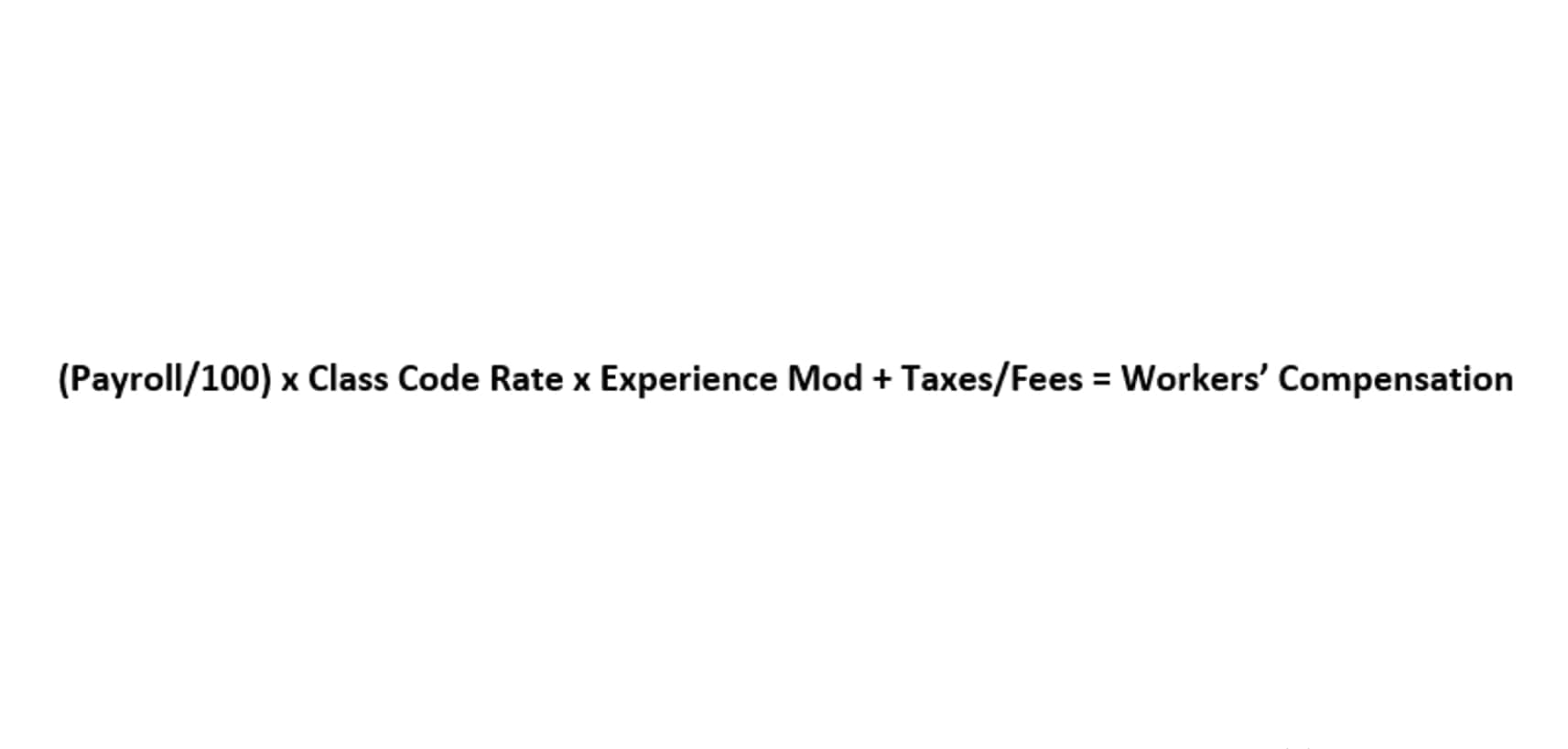
Increase in customer sales
Fixed costs are expenses that do not change with production levels, while variable costs vary. Failure to accurately identify fixed and variable costs can result in incorrect calculations of the breakeven point, leading to financial decisions that can harm the business. Businesses with high fixed costs, such as manufacturing and construction, may benefit from focusing on reducing the breakeven point rather than maximizing profits. Variable costs are expenses that vary with the level of production or sales. The higher the variable costs, the higher the breakeven point, as the business needs to sell more units to cover its expenses. Fixed costs are expenses that remain constant regardless of the level of production or sales.
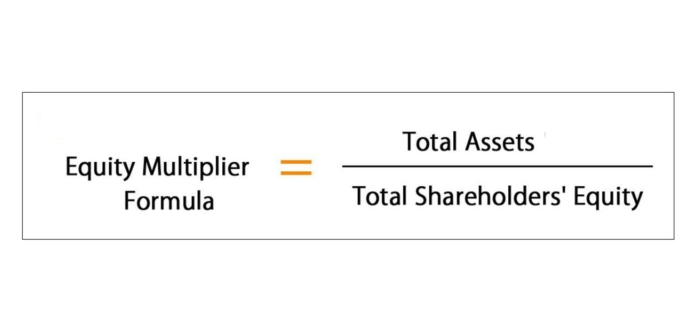
In Seasonal Businesses

By knowing the breakeven point, businesses can make informed decisions on pricing, production, and retained earnings cost control strategies. Moreover, a low breakeven point gives a business a competitive advantage, allowing it to weather economic downturns and make profits quickly. In the manufacturing industry, the breakeven point is critical because it determines the number of units that must be sold to cover the fixed and variable production costs. Seasonal businesses often experience demand fluctuations, impacting the breakeven point calculation.
- For example, purchasing Microsoft stock (MSFT) at $110 means that your portfolio will only crack a smile when the stock climbs back to $110 or beyond if it ever takes a dip below that mark.
- In personal and corporate finance, break-even analysis helps to craft budgets and manage investments.
- Through realistic analysis of potential outcomes, it helps potential new businesses steer clear of failure and minimizes the financial damage of a bad business idea.
- A low breakeven point can improve risk management, as businesses can better withstand unexpected events such as economic downturns, natural disasters, or supply chain disruptions.
- Contribution margin is the difference between the price of a product and what it costs to make that product.
- Whether in manufacturing, retail, service industries, or investment contexts, knowing exactly where revenue meets expenses provides a critical perspective for decision-making.
- Let us take the case of a multiproduct company producing three different kinds of products named A, B, and C and try to find the breakeven number of units.
If the breakeven point increases, it may indicate that the business is not selling enough units to cover its costs and may need corrective action. During the initial stages of a business, it may be more https://www.enlighten.media/journal-entries-examples-format-how-to-use/ appropriate to focus on reducing the breakeven point rather than maximizing profits. Since startups often face high upfront costs, reducing the breakeven point can help them establish a solid financial foundation for future growth.
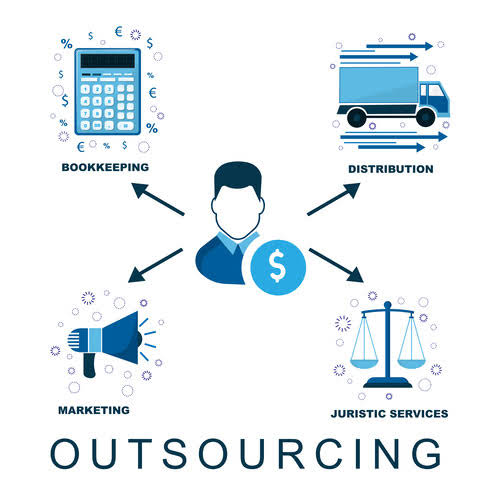
Variable Costs
Your fixed costs include rent for your workshop, salaries for your employees, and utility bills, totaling 30,000 INR per month. The price you charge for each table is 1,000 INR, and the variable costs to make each table, including materials and labor, amount to 500 INR. The break-even point is calculated using the selling price per unit, variable costs, and fixed costs. The break-even points (A,B,C) are the points of intersection between the total cost curve (TC) and a total revenue curve (R1, R2, or R3). The break-even quantity at each selling price can be read off the horizontal axis and the break-even price at each selling price can be read off the vertical axis.